Power delivery
The programme focuses on how onboard energy reaches motion, sensing and control systems. Load behaviour and power-distribution architecture require documentation and bench evaluation.
 Connect with Starion
Starion Eco is our onboard power and energy-management programme. Humanoid robotics is the first application: matching power delivery, battery monitoring and charging choices to useful time at work.
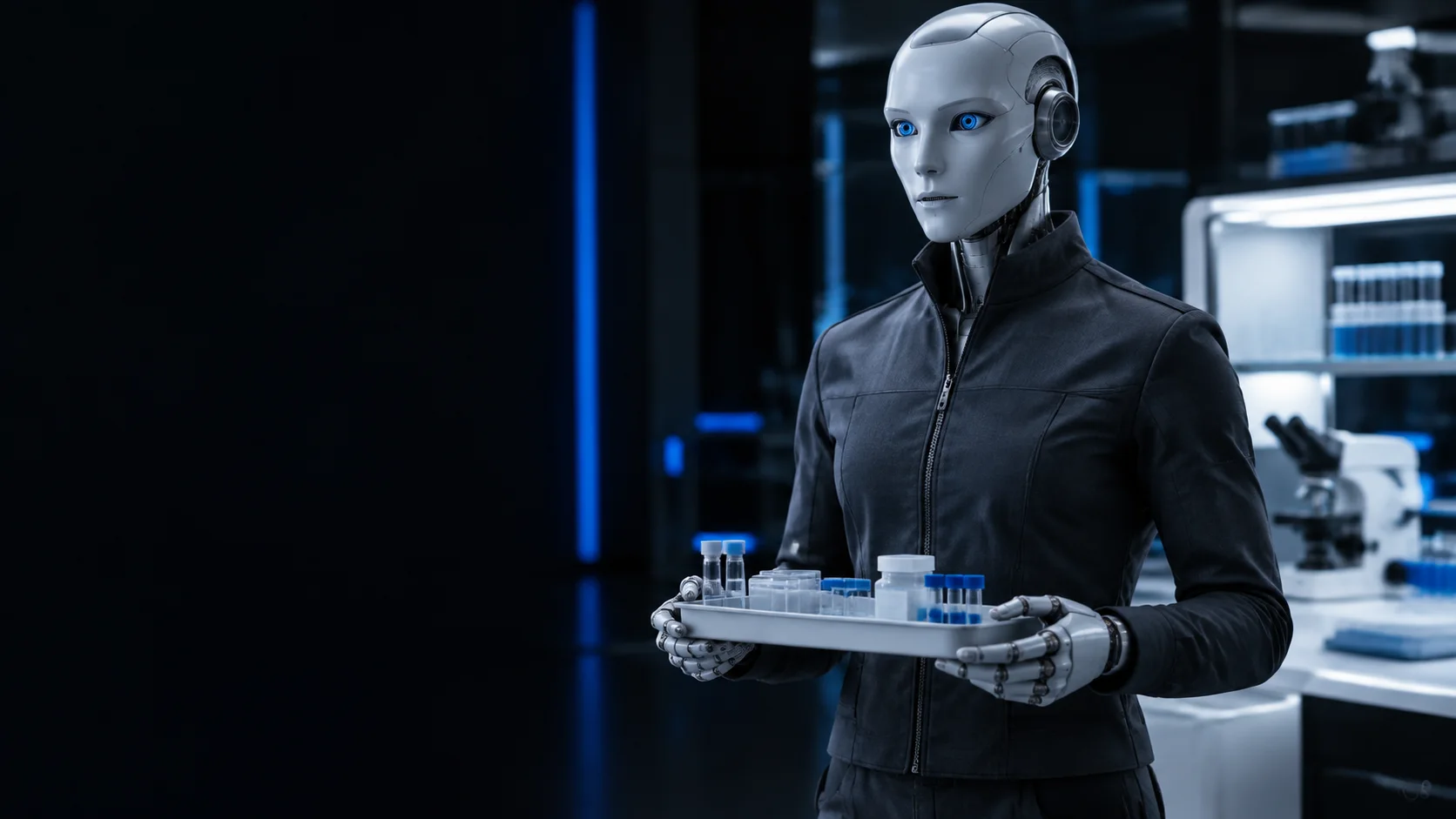
Onboard energy management for the Starion humanoid family.
Power delivery, monitoring and charging strategy.
No verified endurance or battery-performance results published.
The programme focuses on how onboard energy reaches motion, sensing and control systems. Load behaviour and power-distribution architecture require documentation and bench evaluation.
Development priorities include visibility into charge, temperature and battery condition. Monitoring would support operational decisions; no battery life or endurance figures are verified.
Charging intervals, access and the working environment influence the design. The programme would compare approaches in the context of supervised tasks and documented operating requirements.
Energy demand, task intensity and charging time all affect availability for work. Clinical integration will be discussed once the architecture is documented and its relevant constraints can be evaluated.
Document the architecture and test methods. Evaluate repeatability and response under controlled conditions. Publish results when available, with the operating conditions, test method and measurement scope beside each figure.
Explore interface usability, supervised tasks and workflow fit in non-clinical environments. Use findings to inform the next design iteration.
Any progression depends on documented findings and appropriate oversight. The concept visuals do not demonstrate a built prototype or verified performance.
For clinical insight, simulation collaboration and technology partnerships.